
Thirsty Roots
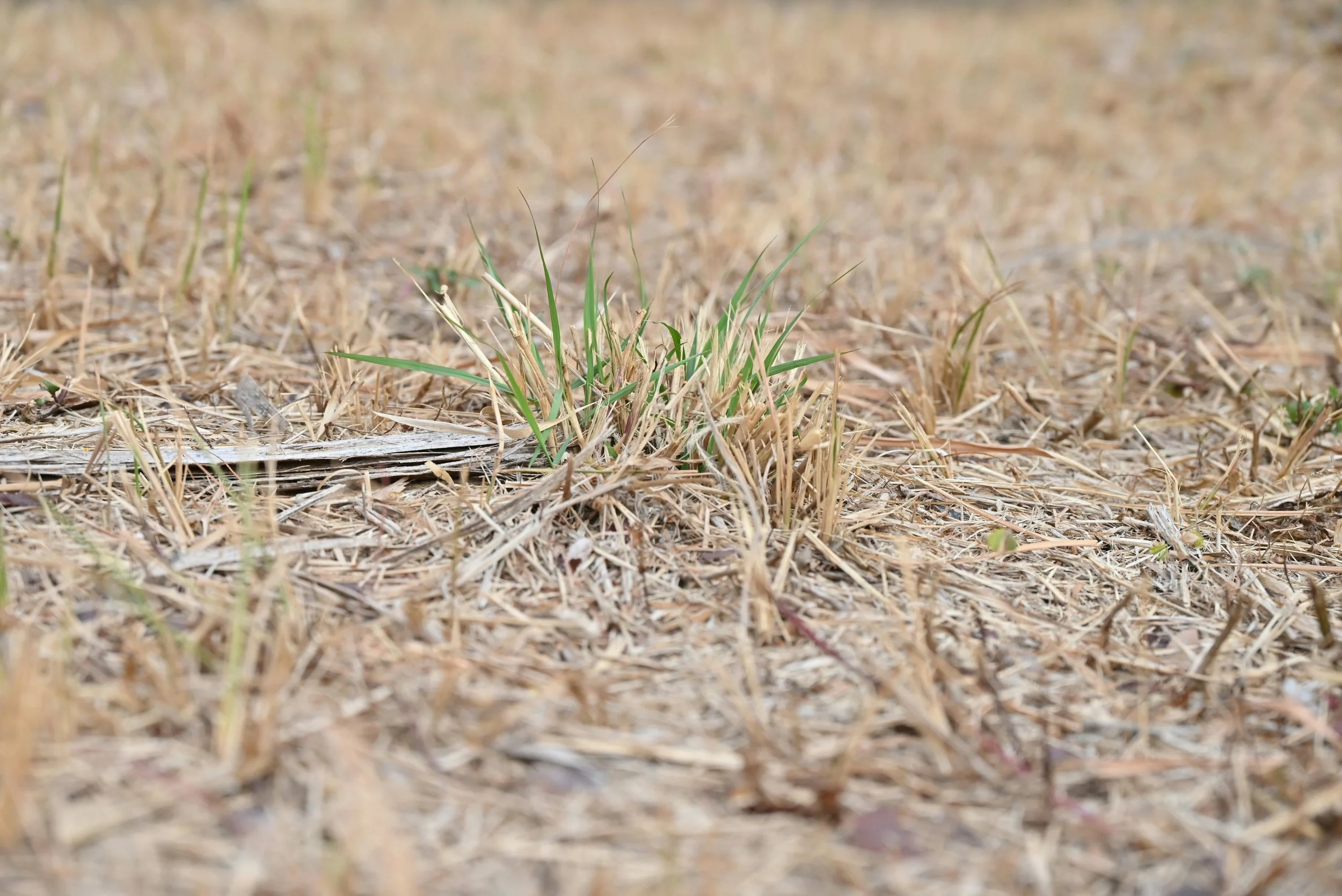
In recent weeks, the entire state of North Carolina has been under moderate to severe drought conditions. In these dry conditions, trees often start showing stress long before homeowners realize there’s a problem. Leaves may wilt, curl, or drop early, and spring growth can slow dramatically. For homeowners across WNC facing these conditions, a few thoughtful steps can make a meaningful difference in helping trees survive through prolonged drought conditions.
The first and likely most important strategy is proper watering. Deep, periodic watering is far more effective than a shallow, daily sprinkling. A slow soak at the base of the tree encourages roots to grow deeper into the soil, where moisture tends to linger. For established trees, watering once every 7–10 days during prolonged dry spells is typically sufficient, while younger trees may need more frequent attention. Aim to water early in the morning or late in the evening to maximize absorption and minimize evaporation.
Mulching is another simple but powerful tool to maintain the health of your landscaping. Adding a 2–4 inch layer of organic mulch, such as shredded bark or wood chips, around the base of a tree helps retain crucial soil moisture, regulate temperature and reduce competition from weeds. Be careful to keep mulch a few inches away from the trunk to prevent rot and pest issues.
Pruning practices should also be adjusted during periods of prolonged drought. Avoid heavy pruning, since this can further stress trees and shrubs and increase their water needs. Instead, limit pruning to removing dead or damaged limbs. This allows the tree to conserve energy and focus on survival. Our team of arborists can help guide homeowners with a tree health consultation.
Homeowners should also be mindful of soil health and how that can impact the overall health of their trees. Compacted soil prevents water from effectively reaching deep roots. Lightly aerating the soil around a tree, being careful not to damage roots, can improve water absorption. In some cases, applying compost can enhance soil structure and provide essential nutrients to trees and landscaping.
Finally, it’s important to recognize that not all trees respond to drought in the same way. Native species are generally more resilient because they are well-adapted to local conditions, while newly planted or non-native trees may require extra care. Keeping an eye on early warning signs, like leaf scorch or premature color change, can help you intervene before lasting damage occurs.
Even during challenging drought conditions, adding practical steps to your yard's maintenance can help ensure that trees remain a strong, healthy part of your home’s natural beauty. Please reach out to our team of arborists with questions about your property’s overall tree health.