Speak for the trees
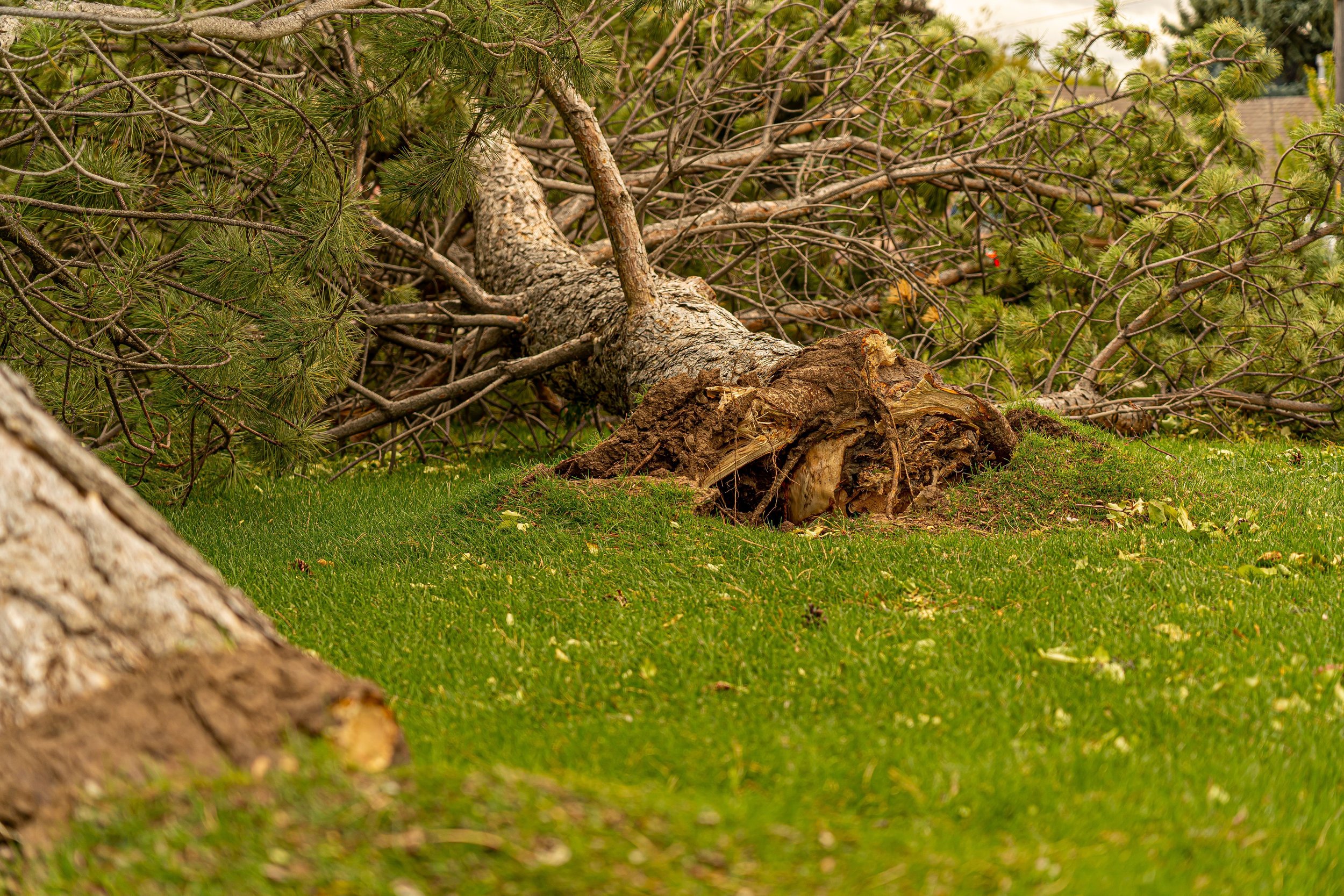
Avoid these common, unintentional causes of harm
Most homeowners know that trees need water, sunlight and occasional pruning to thrive. But many of the biggest threats to a tree's health come from everyday activities that do unseen damage and make a difference over time.
It’s easy to place focus on visible damage that occurs above ground — the branches, leaves, trunk. But a tree's survival depends just as much on its root system. In fact, many problems begin underground.
Tree roots need loose, healthy soil with plenty of air, water and nutrients. Activities that disturb or compact that soil can stress a tree long before any signs of decline appear in the canopy.
One of the most common causes of tree stress is soil compaction. As a general rule, avoid disturbing soil under the tree’s canopy whenever possible.
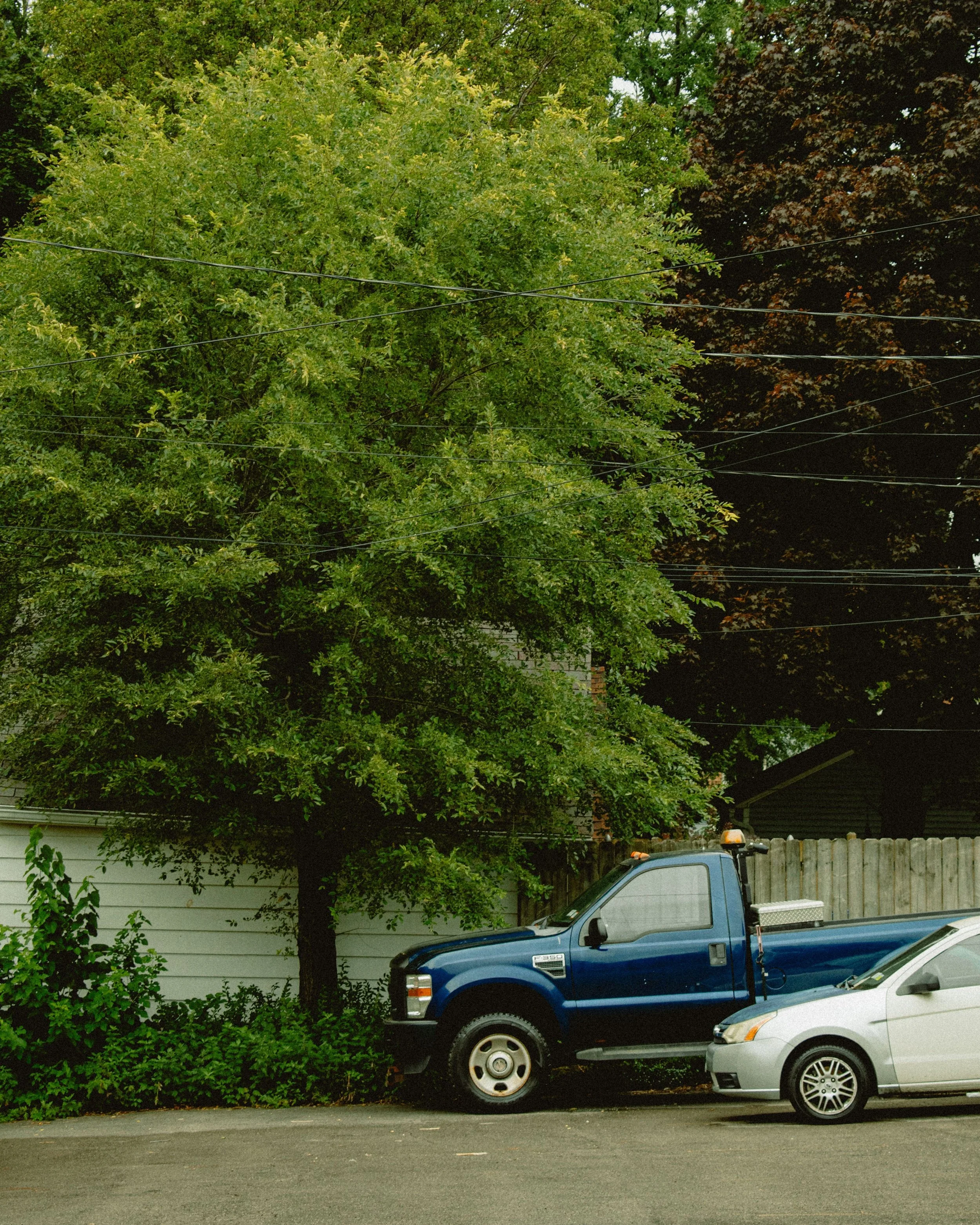
Parking vehicles beneath trees, storing heavy materials in the shade or repeatedly driving equipment across the root zone compresses the soil, squeezing out the air pockets that roots need to survive. Often, home improvement or construction projects are to blame for creating hidden challenges for nearby trees.
Excavating for foundations, patios or utilities can sever roots, while changing the soil grade or repeatedly driving heavy equipment through the area can compress and choke the root system. Before any construction projects begin, create a Tree Protection Zone with temporary fencing, blocking off the area of soil beneath the canopy. This can make the difference between preserving a mature tree and losing it years later.
Root systems should never be disturbed within the Critical Root Zone, ideally giving the tree a diameter of space five times wider than the trunk — or three times wider at an absolute minimum. For example, a tree with a 1-foot diameter trunk would ideally need 5 feet of room, but critically no less than 3 feet.
Unlike broken branches, the effects underground aren't always immediate. Trees with root damage may not show symptoms until years later, making it difficult to connect the dots to its original cause.
Another common error many homeowners make is allowing grass to grow directly beneath trees — not realizing that grass competes aggressively with trees for water and nutrients. It can also alter soil conditions in ways that aren't ideal for many species.
In nature, trees are surrounded by a thick layer of fallen leaves and organic material that naturally decomposes into rich, healthy soil. This protects roots, retains moisture and slowly returns nutrients to the soil.
Homeowners can recreate some of those benefits by allowing leaves to decompose naturally in landscape beds or by applying mulch beneath trees instead of maintaining grass right up to the trunk.
Mulch rings work best when extended from the tree’s canopy to just before the trunk, tapering off to leave a gap of bare soil around the tree’s base. While the mulch helps retain moisture for the roots, it should never be piled up against a tree’s base, as it can trap moisture against the bark, which is more susceptible to rot.
Along those same lines, flowers and shrubs may look nice under mature trees, but, like grass, those plants compete with the tree for moisture and nutrients. What’s more, installing those plants often requires digging, which may damage or destroy roots near the surface.
The easiest way to protect a tree is by protecting what's happening underground. When in doubt, give us a call! We’re happy to provide guidance on harm prevention tactics for your trees.